customer experience
223 posts

A Good Job
George is in his seventies. His hearing has deteriorated over the years, but he’s reluctant to wear a hearing aid. He hates missing out on parts of conversations and often feels isolated because he can’t hear what’s going on. He’s embarrassed about his disability. But he feels self-conscious about w

Empathy Creates Value
A restaurant host has one job to do—meet and greet diners and show them to their table. It sounds easy enough, but the difference between a good host and a great host is underrated because where people are seated directly impacts their experience. Seating arrangements can influence how long diners s

The Unexpected
Contrary to what we often believe, people want more than what was expected. We consistently underrate, undervalue, and underutilise our humanity.

Care Most
We mistakenly believe that we are powerless to make a difference in an all is lost moment when in fact the opposite is true.
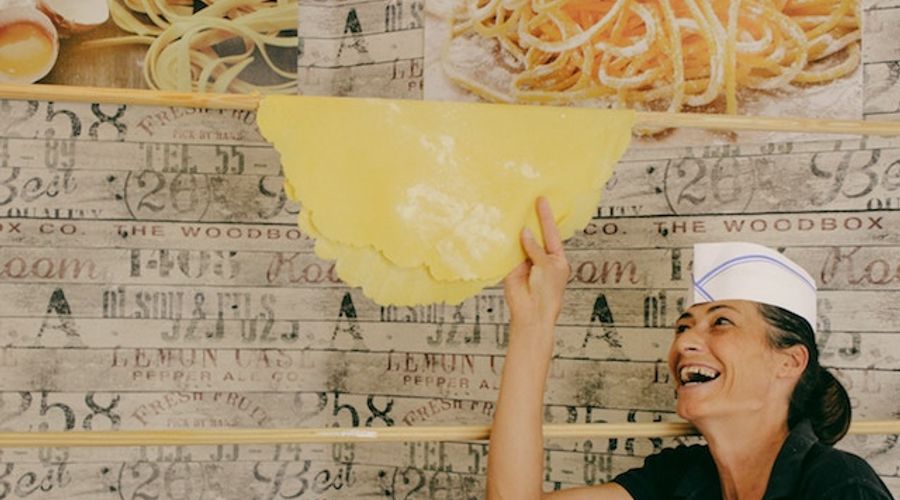
The Power Of Owning Your Work
When we own the work we’re proud of it becomes more valuable to the people we serve. How are you owning the work you’re proud of?

Disappointment And Delight
You can find an opportunity to delight, especially when you disappoint. A mistake doesn’t always have to end in disappointment.

Purposeful Connection
It turns out that we don’t have to build trust and connection on the fly. We can do it on purpose.
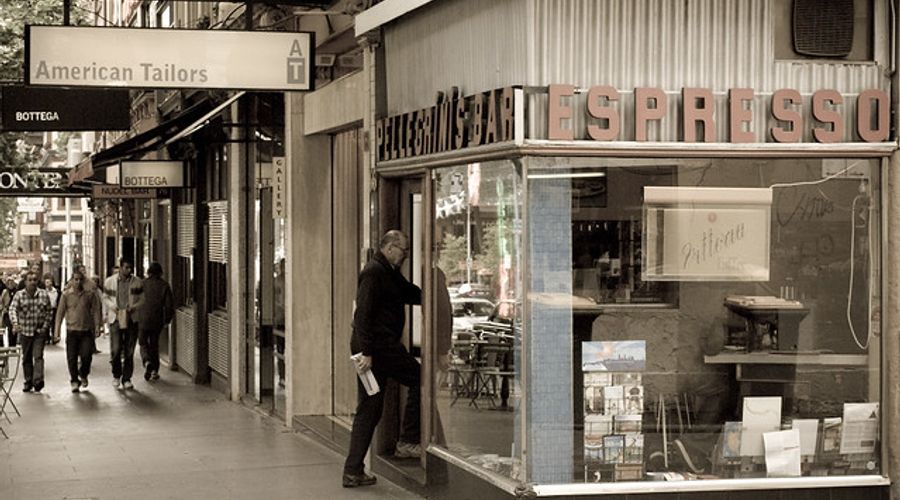
Earning A Competitive Advantage
Very few new businesses have an unassailable advantage that makes them the only choice for a prospective customer. Most don’t make measurably superior products or own proprietary software. They haven’t patented a secret formula, and they don’t necessarily have more resources or talent than the next

Earned Loyalty
We have the privilege of working to be indispensable to customers and making them feel like they belong—instead of stuck. True loyalty is earned, not rewarded.

Better Than Maybe
As marketers, if the best use of our resources is to only speak to the people who want to hear from us, then targeting every maybe is not a great marketing strategy.
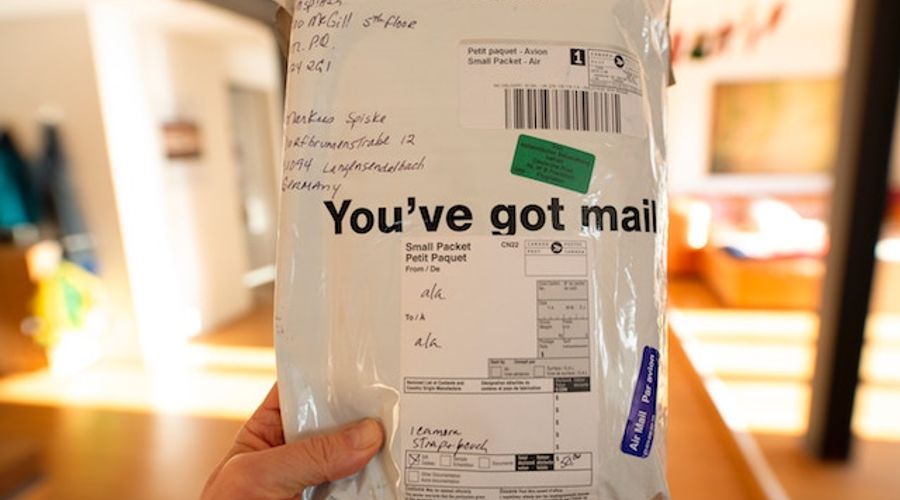
The Role Of Rules
Doing what’s accepted or expected isn’t necessarily the right thing to do. It’s worth checking if the rules we hold dear, and fast to are helping the people we serve.

Who Do You Want To Be To Whom?
The key question for all of us, no matter what business we’re in, is who do we want to be to whom? When we lose sight of who we’re in business to serve, and why we lose more than our competitive advantage. We lose the heart and soul of our business.

What’s Your Promise To Your Customers?
There are a thousand ways to stand out with a better story. And you get to pick one.

The Value Conversation
What’s the value conversation your customer is having?
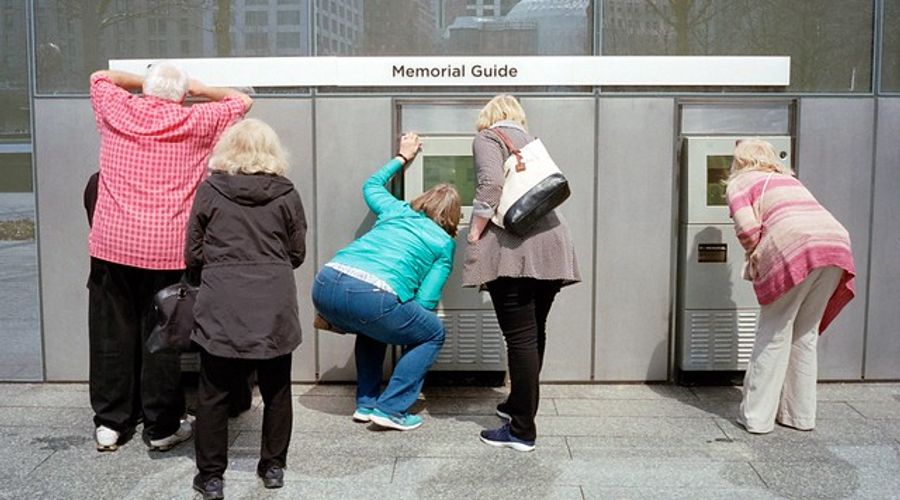
Rethinking Customer Loyalty
What if instead of only measuring, rewarding and expecting loyalty, we started measuring how we demonstrate it?

Everything Speaks
The fundamentals don’t garner loyalty. Customers want an experience. People don’t just buy what we serve—they buy how it makes them feel.

Try Anyway
Texas head teacher, Belinda George, doesn’t have access to more resources than her colleagues. So how does she change her students’ lives for the better? Instead of focusing on the things she and her team can’t control, like educational policy and budgets, she concentrates on the things she can infl
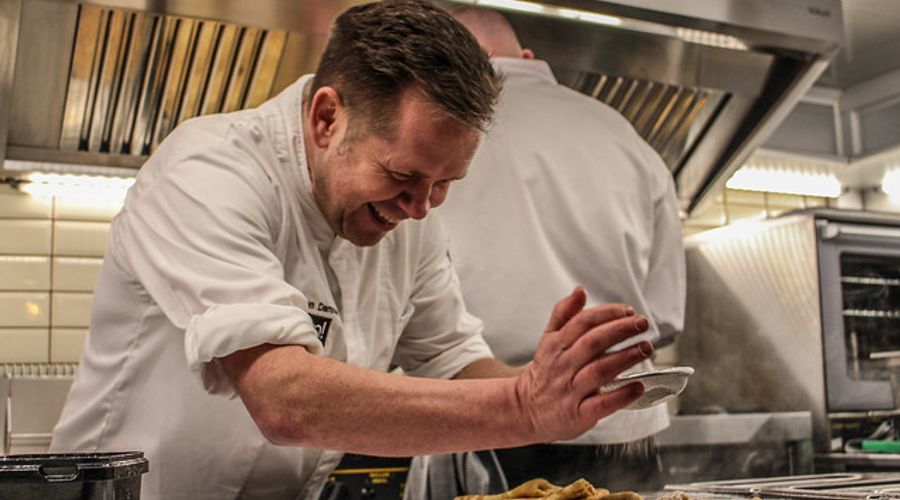
Everyone Speaks
If you search ‘best breakfast in Hobart’ on Trip Advisor, you’ll find a tiny, backstreet cafe in the number one spot. This cafe opens for six hours each day, only seats a dozen people and has a queue of eager diners waiting outside before it opens. It’s the kind of place the people who visit…

Build A Trust Engine
In the golden age of the advertising businesses of all sizes relied on ads to promote and sell their products. Giant corporations reached us via TV and whole page newspaper ads. Small businesses got our attention by placing small ads in the local newspaper. In the past advertising allowed average pr

What’s At Stake For Your Customer?
We often use customer insights to inform product and service development. Throughout the process, our goal is always to empathise with the customer. But sometimes the language we use stops us from achieving that goal. For example, it’s harder to imagine a particular person with a problem by making a